Digits and Things

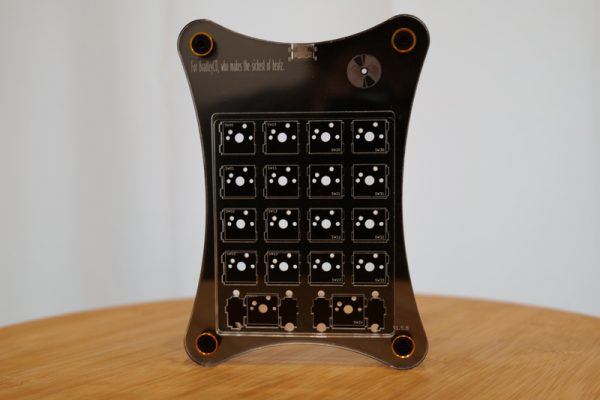
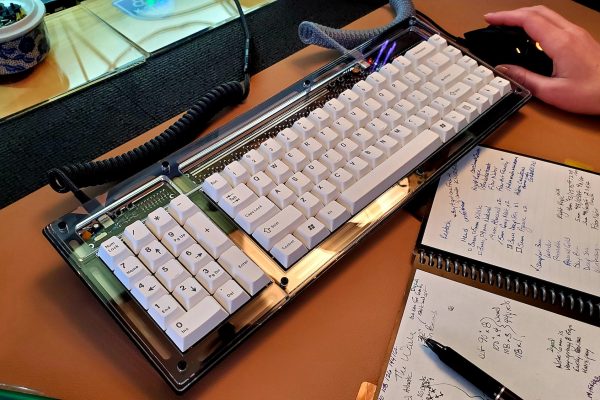
Last year, Kristen Turner wrote about the design blogosphere positive response to Dave Rollins’ controller ornaments.  So how did it all happen for him?

Firstly, Dave Rollins is a US designer who really really likes reading blogs.  It’s probably how he came across Ponoko in the first place.

How did you used to make products before Ponoko?

I have a small shop in my garage.  If I ever wanted to tinker I’d head out there to build stuff by hand.  At my last design consultancy job we had a 3D printer that we used daily.  I think that really got me into the mindset of rapid-prototyping and micro manufacturing.

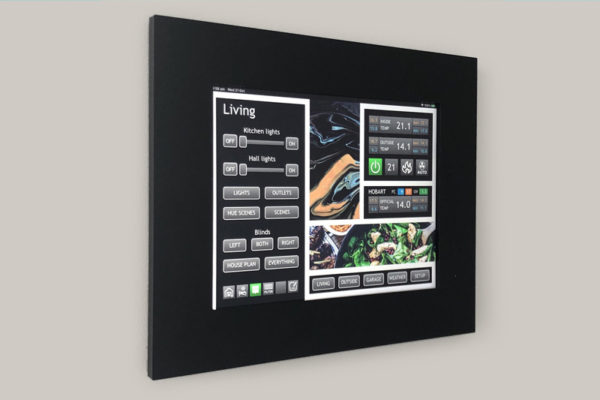
When did you start making with Ponoko and what type of products do you make?

(more…)

Fall 2010 Fashion Trends

We are in for an ugly season.

I thought I would girlie up the blog a little bit with some CLOTHES.

Lasercutting has been a major theme in fashion for the past few seasons. And it isn’t at all this year (with the exception of one designer who I’ll be writing about later), so I’ll just get that out of the way. Digital textile printing, too, seems to have lost the imagination of designers. The novelty appeal, as Sarah Mower of Style.com writes, “quickly becomes cliché.” The passing of Alexander McQueen — whose spring collection was a digitally printed tour de force — likely affected designers’ decision to step back from digital prints.

The new NEW? There’s an obsession with asymmetry and militants in outer space. Knits are huge, and I mean literally. Texture is stuck-on rather than built-in. And anyone in mourning will find they have the best clothing selection ever. These trends and more, after the jump.

(more…)

It’s almost here… AutoCAD for Mac

Native Mac Version Due for October release

After the rumours, screenshots and videos we saw a few months ago, it seems that CAD-loving Mac users are in for a treat by the time October rolls around.

Some sixteen years have gone by since AutoCAD last branched outside of those cosy confines on Windows systems. Along with a version for Mac that will be priced at the same level as its Windows conterpart, there will be free iOS viewers for both iPad and iPhone that will enable users to preview designs and make minor changes.

The release of AutoCAD for Mac will make things interesting in the world of digital manufacturing as well, with 3d printing now a part of the AutoCAD export arsenal.

So for many creative types who can’t resist the Apple allure, there will soon be one less reason to dual boot those shiny OSX machines.

via MacRumors with even more info on MacWorld

RepRap Progeny

Printing The Next Generation – Here’s How It’s Done

It’s all about taking a basic 3d printer, and using it to print a more advanced one. That’s the beauty of this technology… the beauty of the whole DIY 3d printer movement, in fact.

Watch the video as Gavilan Steinman neatly explains how his Darwin printer was used to fabricate a Mendel replacement, thus propelling him into a future where higher quality outcomes will be achieved with greater speed and efficiency.

From the humblest of beginnings, a device can be constructed that sets off a steady climb towards fabbing freedom. The original extruder was a handmade wooden contraption that Gavilan then used to create a better version of itself. This higher performing and more accurate component was then installed, ready to print out the next generation of components.

Not only do we get to see the whole process in this well composed clip, the tempting reality of Ponoko’s new hardware partnership with Sparkfun means that all of the other electronic goodies you’ll need to bring your 3d printer to life can now be sourced right here.

Combine this with the wealth of knowledge that continues to grow at the reprap community and you’ll soon be printing out a next generation of your own.

Via Hack a day.

Material Monday — Electronic Hardware from Ponoko

SparkFun open source electronics available in Ponoko materials/hardware catalog.

Following the super incredible awesome news of the Ponoko and SparkFun partnership, I wanted to share the 15 new hardware categories and a selection of the electronics now available in the materials catalog.

All the (spark) fun, after the jump.

(more…)

Custom make electronic products online with Ponoko

Ponoko and SparkFun announce partnership

It’s official!

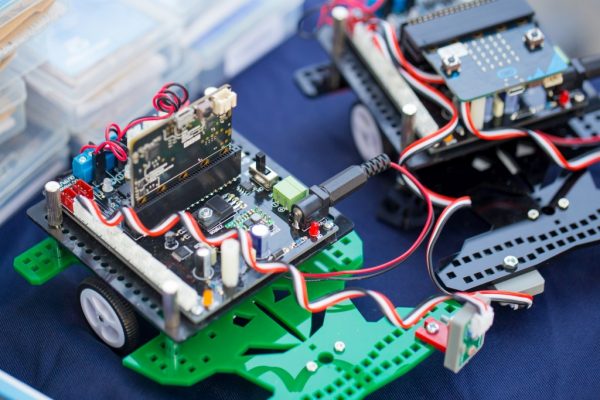
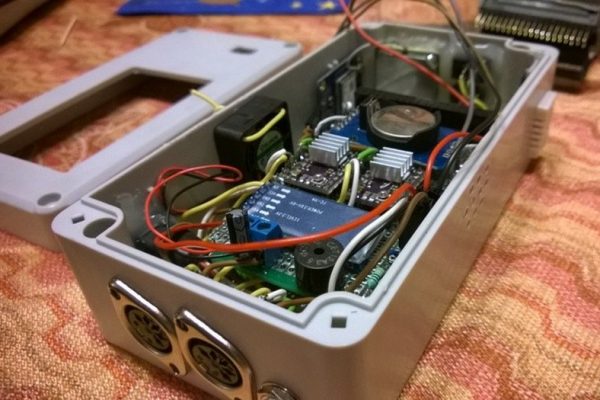
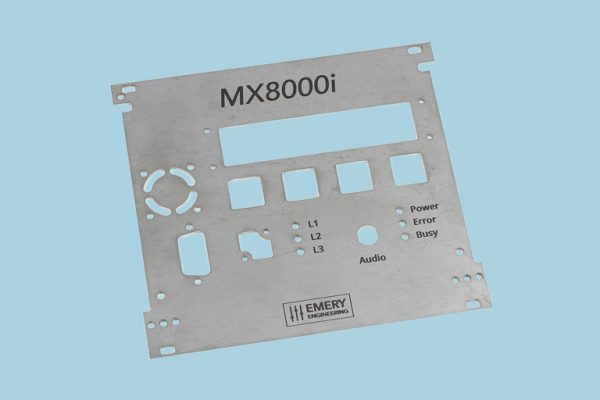
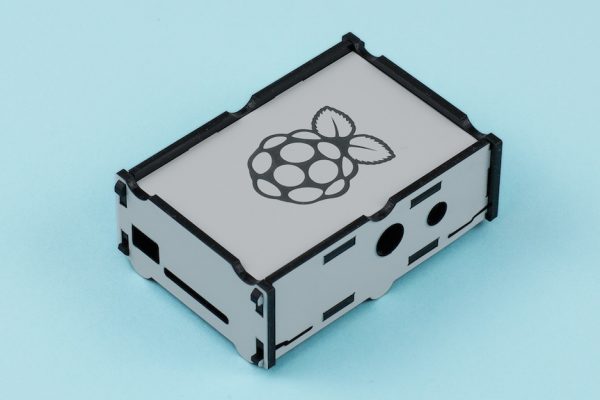
Ponoko has teamed up with SparkFun Electronics to help make it easy for you to build custom electronics products using your online personal factory.

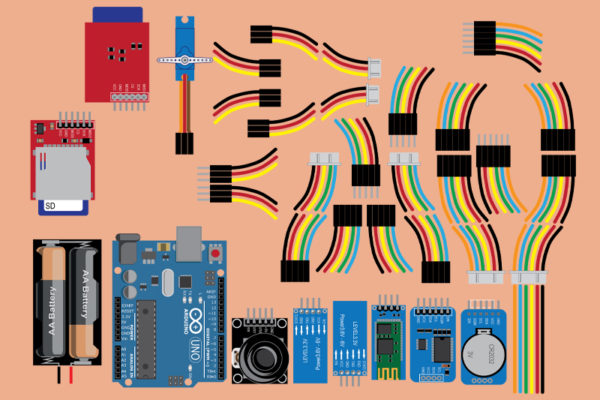
This combines the digital making wizardry of the world’s easiest making system with a 1500+ strong electronics catalog from open source electronics supplier SparkFun.

This new service extends Ponoko’s materials catalog to include electronic gadgetry as well as timbers, plastics, fabrics, metals and other sheet materials.

“It’s the first time we’ve offered non-sheet materials,” says Ponoko CEO David ten Have. “Adding hardware to the mix opens up new possibilities on several fronts. Creators can order all the parts they need with one click, rather than needing to go to multiple sources. They also have a single place to describe and store their product design and its components – in this case, the custom parts and the electronics hardware.”

The electronics catalog has been slotted into the existing Ponoko making process so there’s virtually no change from the current making system. Creators upload their designs and select flat sheet materials. Then they have the option to add electronic hardware to their order at the same price as buying direct from SparkFun. They get an instant online price, check out, and all of their items are delivered to their door – custom parts from Ponoko and electronic parts from SparkFun.

“This partnership with Ponoko is more than just business. Rather, it represents another step in our goal of ‘enabling electronic enthusiasts,’” said SparkFun Chief Operating Officer Trevor Zylstra. “SparkFun and Ponoko are working together to create an easy way for our customers to make polished, complete projects. We want the SparkFun community to have the resources to create unique custom enclosures for their projects. Working together with Ponoko, we think we have accomplished that.”

The new service also makes it more practical for creators to sell their custom made electronic products.

“Anyone can sell their custom made goods on Ponoko, including electronic products,” says Mr ten Have. “They just take photos of their finished items and upload them to their free Ponoko showroom along with a description. Customers order online and we take care of the fulfillment process – delivering the custom parts and hardware direct to the customer for self assembly.”

More than 60,000 user generated goods have been made so far using the Ponoko system. Providing easy access to materials is as much a part of its popularity as easy access to making technology and the Ponoko team hopes to continue to expand its material catalog over the coming months.

Give it a go, and let us know what you think in comments below!

GeekDad/Ponoko/Sparkfun Winner

Who Won? What Was The Big Idea?

Who’d have thought that the GeekDad/Ponoko/Sparkfun competition winning entry would involve beer?!?

The call went out, and the votes are in – with Ross Daly (aka tinyenormous) taking out top honours with a convincing 45% of the vote. That’s him cradling his winning entry in the picture above – and his big idea is the Minifridge Beer Dispenser, soon to be produced for free using the combined might of SparkFun and Ponoko.

Thanks to Nathan Barry over at GeekDad for the following interview with the proud winner.

(more…)

Goes Through Like Butter

Melbourne Duo Cutting Some Fine Forms

Jem Selig Freeman is responsible for this smooth incarnation of the humble articulated lamp. The neat geometry and targeted symmetry of this design results in a friendly retro-robotic feel that is brimming with personality.

We wouldn’t expect anything less from a company that specialises in things that other fabrication businesses won’t touch.

The Light MKI is an example of the offerings from Melbourne-based studio Like Butter, where Jem teams up with Laura Woodward to run a plasma cutter dubbed The Mighty Plasmatron.

Like Butter can also carve up a storm with their CNC router, the very same machine that engraved This is: a trivet for local designer Bonnie So.

Looking at the Light MKI, I wonder whether a swivel base mechanism could be introduced that follows the same structural format being used in the arm joints. Even so, it is great to see that it is still possible for designers to come up with refreshing iterations almost 80 years since George Carwardine first thought up the Anglepoise Lamp.

I’m also fond of the Light Painting technique used in some of Jem’s photography. Be sure to check out the Like Butter website to see what else these guys get up to.

Source: Broadsheet Melbourne (!print link)

RazorLAB Digital Making Facility in the UK

London calling

Making in the UK just got easier. The new RazorLAB site lets you upload your designs directly to the London based making hub.

RazorLAB founder Soner Ozenc explains the benefits of the new site. “‘The most obvious advantage is that UK customers will now be able to make payments in GBP. Also, they will get local support and customer service along with a dedicated UK-based blog. Our aim is to be the first gateway for anything to do with laser cutting in the UK.”

RazorLAB is powered and supported by Ponoko’s online making system. Those familiar with making through Ponoko.com will find the same user-friendly process at the partner sites.

Ponoko’s CEO Dave ten Have talks about what this means to the big picture. “Ponoko is all about bringing together creators, digital fabricators, materials suppliers and customers to change the way products are made, sold, and delivered. Each new partner in the Ponoko network not only brings us closer to that dream, but is proof that creative people all over the world want access to making real products.”

With the latest addition of RazorLAB, Ponoko’s online making system now supports five digital making hubs including Formulor in Germany, Vectorealism in Italy, and Ponoko owned hubs in the US and New Zealand.

Ready to start making in the UK?
CLICK HERE to sign up with RazorLAB!

*Note: To open an account you will need to create a different username than the one you use here at Ponoko.

Cut 1mm Plastic With a 1 Watt Laser

Using a laser like a saw to cut thicker material.

Peter from the RepRap Builders blog has come up with a clever way to cut thicker material with a weaker laser. His experimental laser cutter moves the focus of the laser up and down in a saw-like motion.

(more…)